
My Cart



£60.00
Low load operations, or ‘slow steaming,’ are an increasingly common practice in a ship’s engine room that can help reduce greenhouse gas emissions. Low load operations are generally considered to be operations where the engine operates between 10% and 40% of maximum continuous rating (MCR). During these operations, the engine crew need to pay careful attention to the condition of the engine, particularly for fouling of components and ensuring appropriate lubrication.
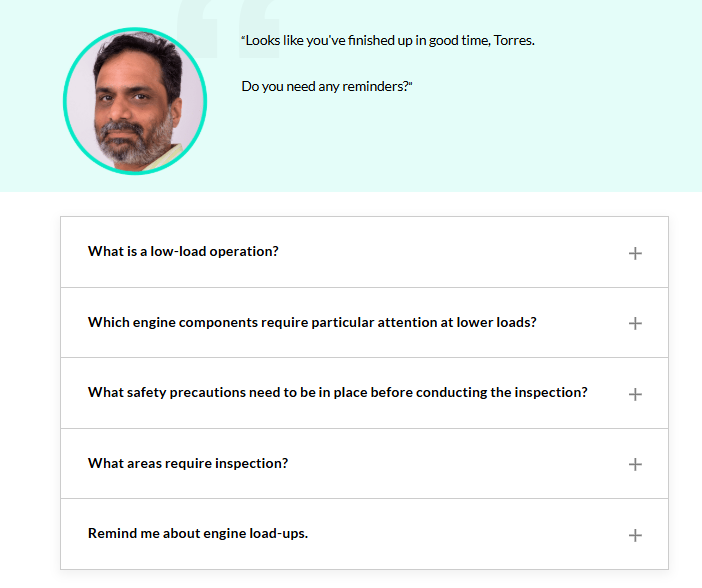
Operating the Engine under Low Loads uses scenario-based learning to guide learners through the necessary checks to ensure a well-maintained engine during low load operations. For example, the cleanliness of the boiler and turbocharger, scavenge and exhaust space is detailed as well as optimal cylinder lubrication.
A main component of this e-learning course is a 3D model of a typical two-stroke engine. This interactive feature allows learners to better understand the different maintenance conditions of a main engine and best practice when completing a two-stroke low load operation inspection report.
Operating the Engine under Low Loads is based on the best-selling publication, Engine Room Procedures Guide, which provides best practice approaches to operating and maintaining engine rooms, in a safe and environmentally responsible manner.
Version 1.0 of this course is current.
By the end of this course, learners will be able to: