Harnessing the strength of the Commonwealth
As the first African woman to lead the Commonwealth, Hon. Shirley Botchwey brings a fresh vision to one of the world’s most enduring multilateral institutions.
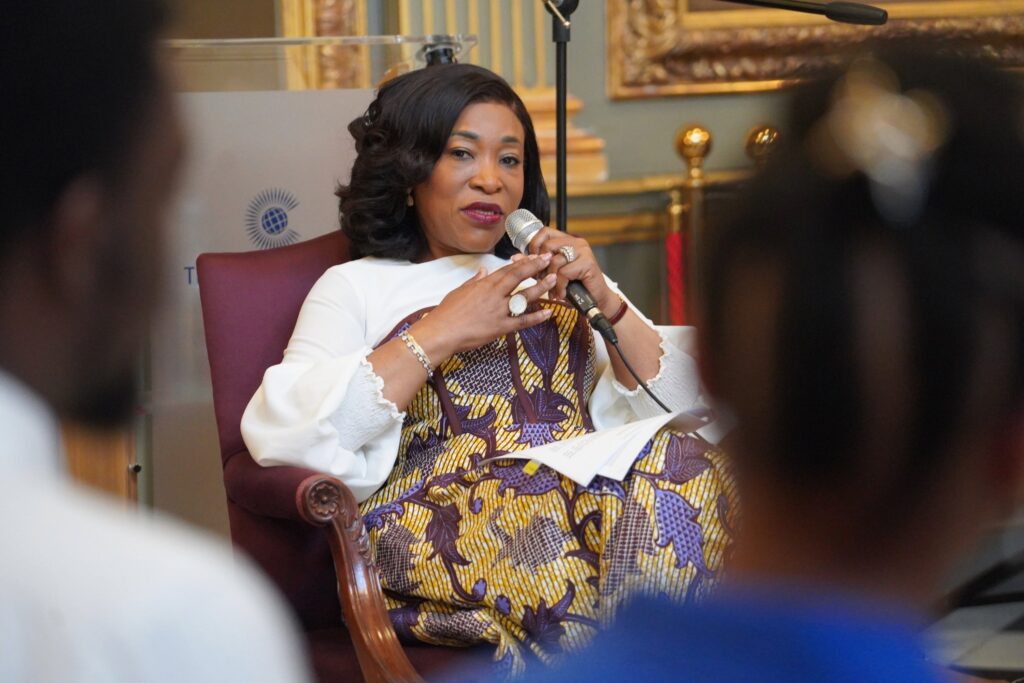
Q: Could you share your vision for the Commonwealth?
A: The Commonwealth’s capacity to build consensus on even the most difficult issues makes it one of the most effective instruments for advancing resilience and shared prosperity. In a world facing slow growth, social fragility, and division, that strength is more vital than ever.
We are 56 nations across five continents, home to one-third of humanity, most of them young. Our diversity is our power. We have some of the largest and fastest-growing economies, as well as some of the smallest. By renewing our founding values of democracy and good governance for a changing world, we can ensure that every citizen benefits from the democratic dividend.
My vision is to harness that strength with focus and clarity. The Commonwealth must deepen democracy, strengthen early warning systems, and help governments respond effectively to their people’s needs. It should drive economic transformation by expanding markets through smarter cooperation on trade, investment, innovation, and finance – with small and vulnerable states at the centre.
It must also lead on climate action, unlocking finance and technology to deliver a renewable energy revolution that creates opportunity and jobs, while empowering women and youth through education, digital access, and STEM learning.
Above all, my goal is a Commonwealth that proves multilateralism can deliver for all its members.
Q: How is your experience as Ghana’s Foreign Minister shaping your leadership?
A: I recently convened a Commonwealth Foreign Affairs Ministers’ Meeting in New York – my first as Secretary-General. I have sat in their chairs and know the weight of responsibility they carry, the pressures they face – to defend their nations’ interests, to navigate global turbulence, and to serve their people with wisdom and care. I have walked the same path, and I stand shoulder to shoulder with them.
Today’s crises do not respect borders; no nation can face them alone. The multilateral system remains our best tool for progress, yet in times of strain, the instinct is often to turn inward. My role is to make the strongest possible case for cooperation – using diplomacy, partnership, and shared purpose to overcome stagnation and division. The challenges are immense, but our collective resolve is greater.
Q: Maritime trade is vital for many Commonwealth economies. What role can the Commonwealth play in ensuring trade routes remain sustainable, secure, and equitable?
A: Commonwealth nations trade with one another at lower cost and higher trust – that is both our historical advantage and future opportunity. Trade and investment are central to the Commonwealth’s renewal because they build resilience and fairness.
Many members are coastal states – custodians of ocean wealth and dependent on its sustainability.
The Apia Commonwealth Ocean Declaration calls for an urgent and just transition in maritime transport: one that includes workers and communities, respects national circumstances, and accelerates clean, safe and resilient shipping. It also highlights the promise of blue economies that are regenerative, not extractive. Protecting our oceans is not a luxury – it is a necessity.
Q: With the shipping industry committed to decarbonisation, what challenges do Commonwealth countries face on the path to net zero, and how can they be supported?
A: At the 27th Commonwealth Heads of Government Meeting in Samoa, leaders reaffirmed their commitment to protecting marine ecosystems, reducing pollution, safeguarding maritime zones, and accelerating clean, sustainable shipping. They have tasked the Secretariat with supporting that agenda through advocacy, partnerships, and technical expertise – a responsibility I take seriously.
Our new Strategic Plan 2025–2030 sets environmental resilience as a core priority. One of the biggest barriers to net zero remains access to finance. Through the Commonwealth Climate Finance Access Hub, we have already helped members unlock almost US$500 million in climate funding, but far more is needed.
We are working closely with partners such as the International Maritime Organization (IMO) to share knowledge and strengthen our members’ negotiating capacity. We also assist governments in developing national ocean and maritime transport policies that integrate decarbonisation as a guiding principle.
Q: Many developing economies rely heavily on shipping for growth. How can trade and maritime policies promote inclusive, sustainable development?
A: Inclusion must come first. Trade should work for all, not only for major economies or large corporations. Micro, small, and medium-sized enterprises make up over 80% of Commonwealth businesses. They need better access to finance, market intelligence, and supportive regulation. Women entrepreneurs and young people must be central to our trade strategy, and small and least developed states must be empowered to participate fully in global markets.
The future of trade is also digital. Paperless systems, e-commerce, and data-driven supply chains are now essential. The Secretariat is helping member countries modernise laws, strengthen digital infrastructure, and close connectivity gaps –particularly in blue economy sectors and digital agriculture.
Finally, we must attract investment. Trade cannot thrive without capital and infrastructure. By mobilising blended finance and development bank support, we can channel investment into sectors where the Commonwealth has a clear advantage: renewable energy, logistics, and transport.
Our new strategic plan is ambitious by design. To achieve it, we must forge new partnerships and deepen existing ones. I firmly believe that through collaboration, the Commonwealth can make prosperity and sustainability possible for all.


