Copper at the core: Building a sustainable future
As President and CEO of the International Copper Association (ICA), Juan Ignacio Díaz leads a global network powering the energy transition. He outlines copper’s central role in electrification and how collaboration and integrity are driving a more sustainable industry.
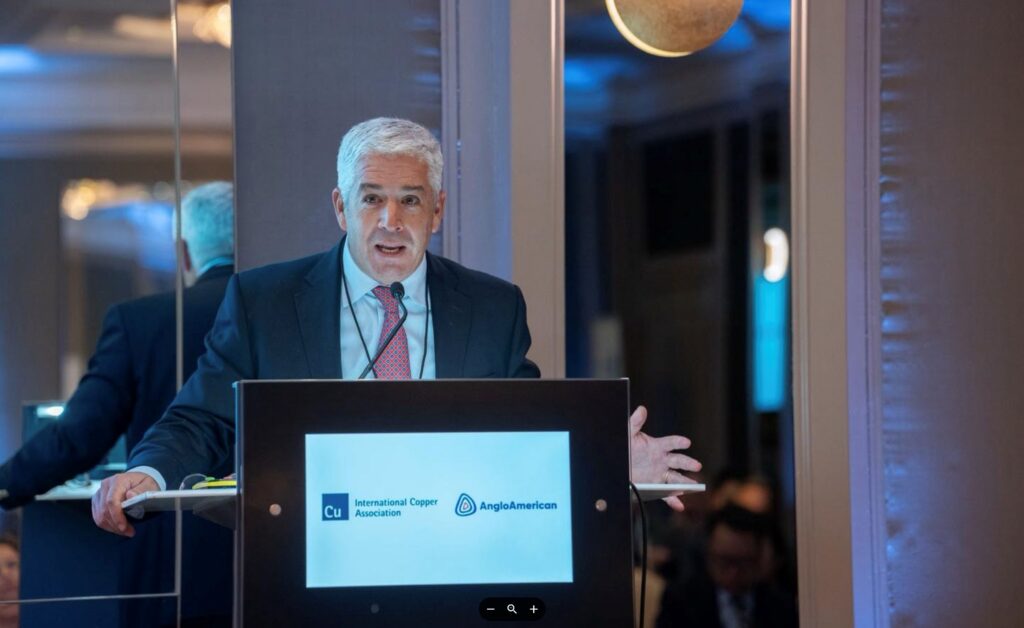
Q: Copper is often described as a critical enabler of the energy transition. From your perspective, how vital is copper to achieving global net-zero ambitions, and what risks do you see if supply cannot keep pace with demand?
A: Copper is the foundation of electrification – found in every motor, battery, and transformer powering the clean energy transition.
Without it, the world cannot meet net-zero targets. Electric vehicles use three to four times more copper than conventional cars, and offshore wind turbines up to eight tonnes. A shortage would slow renewables, raise costs, and stall digital progress.
Q: Looking ahead, where do you see the biggest growth in copper demand in renewable energy, electric vehicles, grid infrastructure, or elsewhere?
Urbanisation, electrification, climate change, and digitalisation are the megatrends driving copper demand. Every new city, grid, and transport network needs more energy – and more copper.
Seven regions – China, India, the US, Europe, Mexico, Japan, and Korea – account for over 70% of demand, led by applications such as motors, cables, and electric vehicles (EVs). Copper is the metal that connects it all.
Q: With rising geopolitical tensions and trade disruptions, how is the copper industry addressing concerns about supply chain resilience and security of access to critical minerals?
A: Recent disruptions have shown the risks of relying on limited sources and routes. Copper producers are responding by opening new mines in Latin America, the US, and Africa, and expanding recycling near key markets – such as Aurubis’s new plant in Georgia.
The goal is clear: a more regional, resilient supply chain that can withstand shocks and keep critical materials flowing.
Q: What role should governments and international organisations play in securing copper supplies and supporting the industry’s sustainable growth?
A: Governments are central to copper’s sustainable growth. Faster permitting, better recycling systems, and recognising copper as a critical mineral all strengthen investment and supply.
Certified producers under the Copper Mark set the benchmark for responsible operations. Working with policymakers, the International Copper Association promotes copper’s role in clean energy and infrastructure worldwide.
Q: What steps is the copper industry taking to ensure responsible sourcing and to continually improve its ESG performance?
Sustainability defines the copper industry. Most ICA members follow the Copper Mark, ensuring high standards in environment, safety, and community engagement.
Many ICA members are adopting 100% renewable energy, shifting to seawater use, and cutting emissions across their operations. The industry also drives jobs, tax revenues, and local partnerships – proving that responsible production delivers real value for people and the planet.
Q: What progress has been made in scaling copper recycling, and how close are we to a truly circular copper economy?
A: Copper is endlessly recyclable, and around 40% of global supply already comes from recycled sources – a strong foundation for circularity.
Yet recycling alone can’t meet demand, as most copper remains in long-term use within infrastructure and products. A balanced approach combining new production with advanced recycling is essential to sustain growth and resource efficiency.
Q: Where do you see the most exciting technological innovations in copper production, processing, or recycling that could transform the industry in the next decade?
A: Technology is reshaping copper production and recycling. Automation, digital mining, and low-carbon smelting are improving efficiency, while electric haul trucks and advanced scrap-sorting help cut emissions and recover more metal.
AI-driven exploration is accelerating resource discovery, proving that innovation and sustainability can advance together.
Q: Copper is a globally traded commodity, heavily reliant on maritime transport. How important is shipping to your sector, and what trends are you watching in terms of freight, decarbonisation, and trade routes?
A: The majority of copper moves by sea, making shipping essential to the industry’s global supply chain. Producers and carriers are testing biofuels and cleaner fuels to reduce emissions as part of wider decarbonisation goals.
Sustainability covers not only how copper is produced, but how it’s transported – and shipping is key to that commitment.
Q: How is the International Copper Association working with other industries, including shipping, construction, and energy, to drive collective progress on decarbonisation and resource efficiency?
A: Cutting emissions demands collaboration across the copper value chain. We’re working with shipping partners on cleaner fuels, carbon tracking, and low-emission fleets, and with the construction and energy sectors to drive efficient buildings, renewable projects, and smarter grids.
Our goal is shared progress – common standards that boost efficiency and reduce emissions across every industry connected to copper.
Q: Finally, as President and CEO of the International Copper Association, what principles guide your leadership, and how do you see your role in shaping a sustainable future for the copper industry?
A: Leadership begins with purpose – copper is about people, progress, and connection. Guided by integrity and teamwork, we face challenges openly and work across sectors to deliver responsible growth for a sustainable future.


