Progress towards smarter borders and greener trade
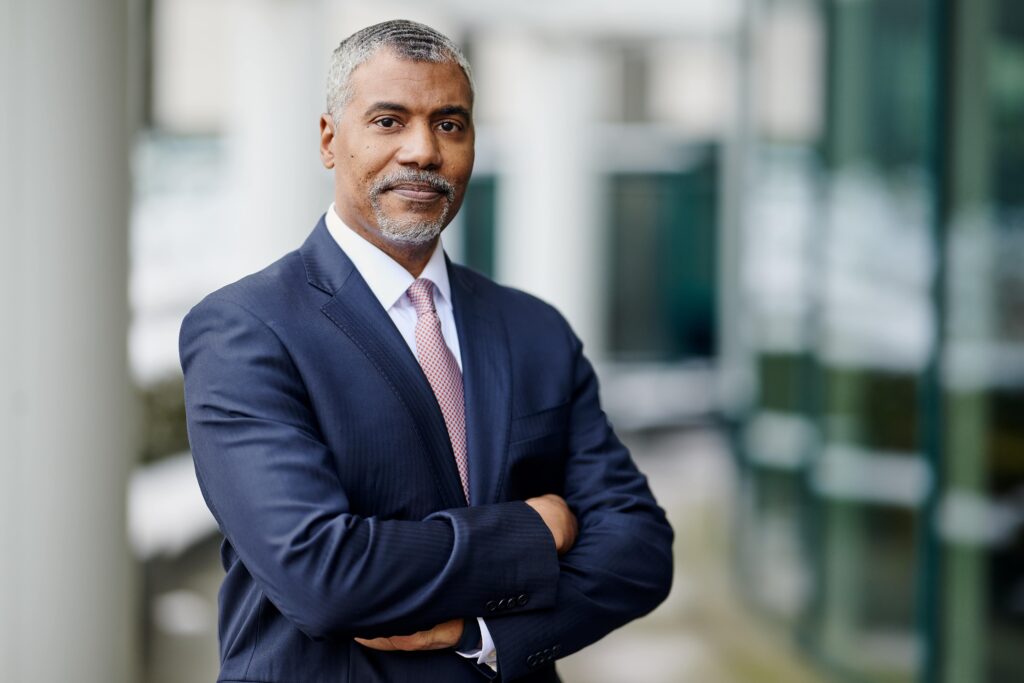
As Secretary General of the World Customs Organization (WCO), Ian Saunders leads global efforts to harmonise customs procedures and modernise trade infrastructure. Speaking to ICS Leadership Insights, he shares the WCO’s evolving priorities, the role of technology, and how customs authorities are advancing sustainable trade and resilience in today’s uncertain world.
Q. How would you describe the current customs landscape in terms of trade facilitation and security?
A. It’s being shaped by both evolving threats and enduring challenges. While tariffs dominate headlines, non-tariff barriers continue to obstruct trade, often surfacing during border transactions. Whether or not customs authorities create them, we’re often called on to resolve them. That’s why we prioritise streamlining procedures, enhancing transparency, and reducing friction.
Security and facilitation are inseparable. As international criminal networks become increasingly sophisticated, customs officials must leverage technology to stay ahead. Tools like non-intrusive inspection systems help us maintain both security and speed. Emerging technologies, particularly AI, offer smarter risk management, but partnerships are just as vital. Customs is only one part of border management; effective collaboration with other agencies and the private sector is key.
Q. What are the key lessons from the WCO’s previous strategic plan, and what are your new priorities?
A. This [question] is well timed as we just got approval on our new strategic plan. It’s pretty involved, and it’s really a two-year process. Part of the reason that it takes so long to come up with is that it’s grounded in an examination of the global environment from a customs perspective. It helps us inventory what the needs and prevailing conditions are and what our members are telling us to focus on. One clear lesson is that we can’t do everything; demands will always outpace our capacity as an organisation. If we try to do everything, we won’t do things well, and the support they’re looking for won’t be at the level that they need and expect. So, we’re focusing on what matters most.
Our core mission remains developing and supporting global customs standards, especially for developing countries that must leapfrog into modern systems. Policies only matter if they’re effectively implemented.
We’ve also streamlined our internal structure and, based on member feedback, we’re focusing on three urgent areas over the next three years: technology and innovation, e-commerce, and green customs.
Q. How is the WCO promoting global harmonisation amid digitalisation and supply chain pressures? What role does the Single Window play?
A. Harmonisation is at the heart of our work. Our Harmonized System, used in 200 jurisdictions, ensures consistent classification of goods. We also oversee the Revised Kyoto Convention, the foundation for modern customs procedures, including digitalisation.
To make these frameworks practical, we offer tools such as the WCO Data Model, a universal language for customs data that enhances consistency and efficiency. The Single Window concept is a major enabler, allowing traders to submit all documentation through a single digital entry point, thereby streamlining clearance, reducing delays, and improving transparency. We actively support its development through technical assistance and partnerships with other international organisations.
Q. With rising protectionism and geopolitical instability, how is the WCO helping to keep trade flowing?
A. The WCO operates at the technical level, as opposed to a political one; we don’t set tariffs or negotiate trade policy. Our focus is operational: making sure goods move efficiently, securely, and predictably across borders.
We live in a space where we have to be stable. We have to make sure that we are providing that simplicity, that predictability, that balance of facilitation, and security, so that the mechanics of trade don’t become a barrier.
In any political climate, customs authorities must secure borders, facilitate trade, and support revenue collection, especially where customs income is vital.
Our role is to offer clarity and consistency, helping members apply solutions that work in real-world conditions. That’s how we ensure global trade keeps moving, even in turbulent times.
Q. How are customs authorities supporting sustainable trade and environmental goals?
A. Customs has long enforced multilateral environmental agreements, from controlling hazardous waste to protecting endangered species.
Through technical assistance and joint operations like Operation Demeter, we’ve supported cross-border enforcement against illegal shipments.
Now, we’re going further. We’re reviewing the Harmonized System to better classify eco-friendly goods and working to green customs operations, such as reducing paper use and improving digital sustainability. Customs authorities are uniquely positioned to support green trade by intercepting harmful flows and facilitating the legal movement of sustainable goods.
Q. What message would you share with the global trade community about the future of customs?
A. Customs plays a vital role in facilitating trade, protecting society, and collecting revenue.
We’re adapting to new challenges, embracing technology, and strengthening partnerships to ensure global trade operates more smoothly. The future lies in smarter, more agile customs operations. Through the WCO, we’ll continue to set and support global standards, providing a reliable foundation for international trade, no matter what the future holds.


